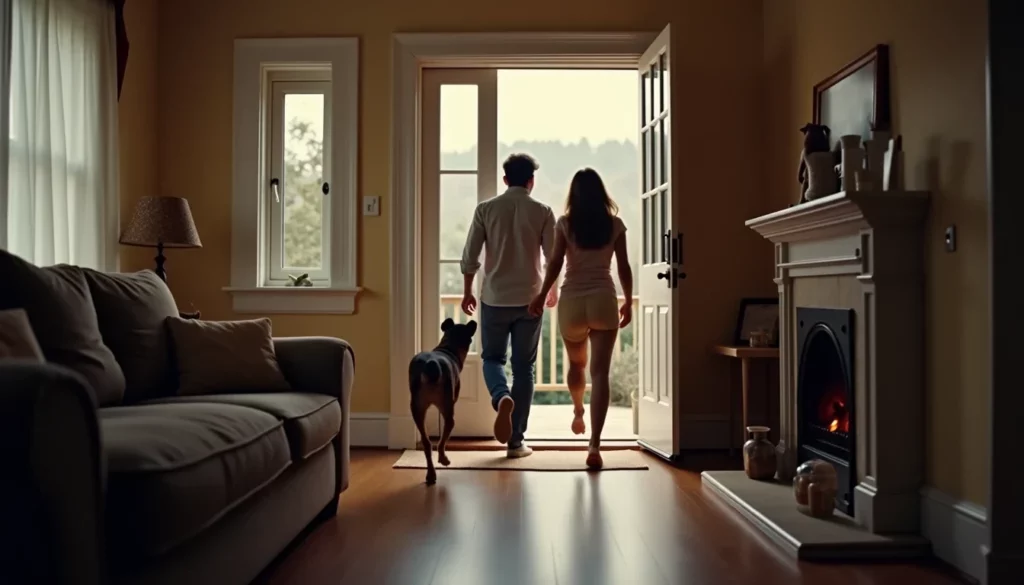
A Carbon Monoxide Alarm Near Your Fire Signals a Critical Fault
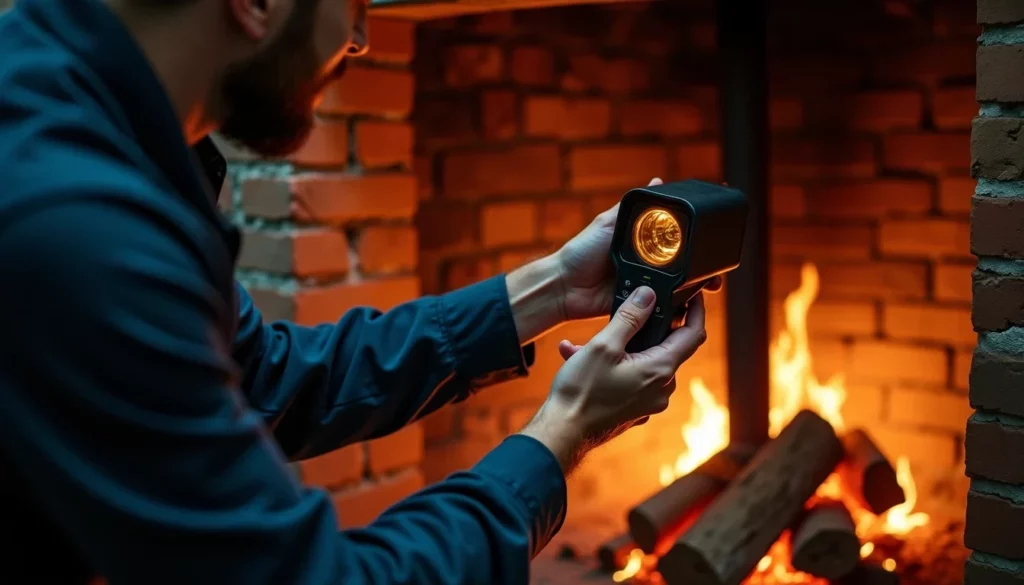
If a carbon monoxide alarm sounds near your fire, follow these critical steps immediately: evacuate, ventilate, and contact emergency services for safety.
If a carbon monoxide alarm sounds near your fire, follow these critical steps immediately: evacuate, ventilate, and contact emergency services for safety.
Installing a modern wood burner in an old chimney can lead to serious problems like poor draw, tar build-up, and carbon monoxide leaks if the flue isn’t.
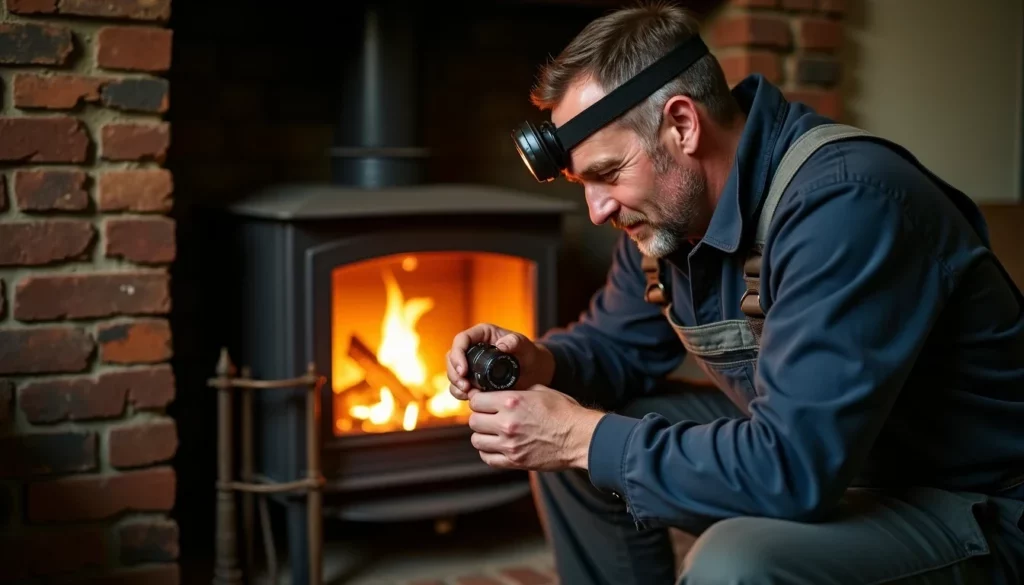
Don’t light an old fireplace without inspection. Hidden flue dangers like flammable nests, structural damage, and volatile creosote can cause house fires or.
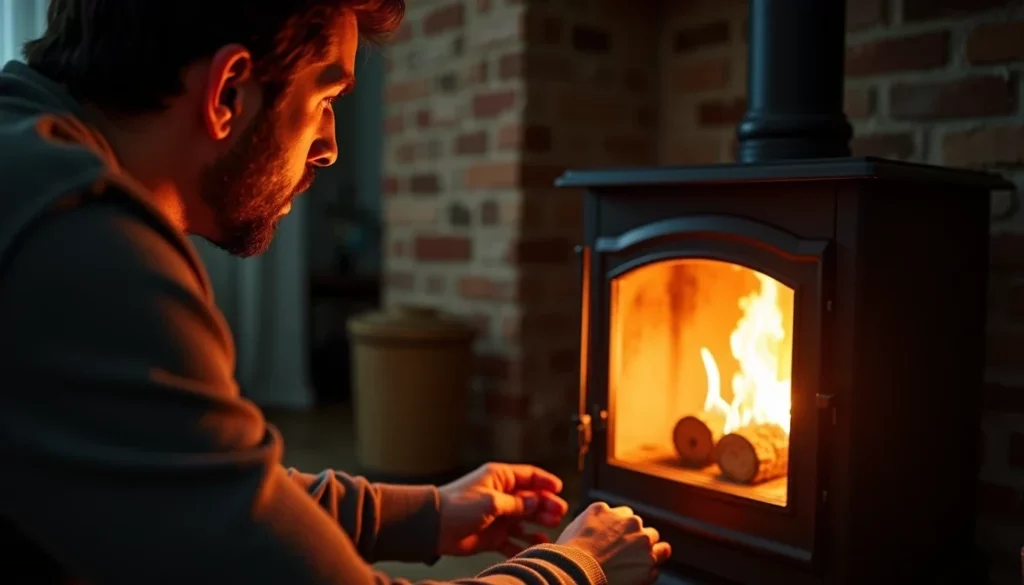
A sudden roaring noise from your wood burner indicates a chimney fire, fueled by accelerating burning deposits and a powerful draught within the flue.
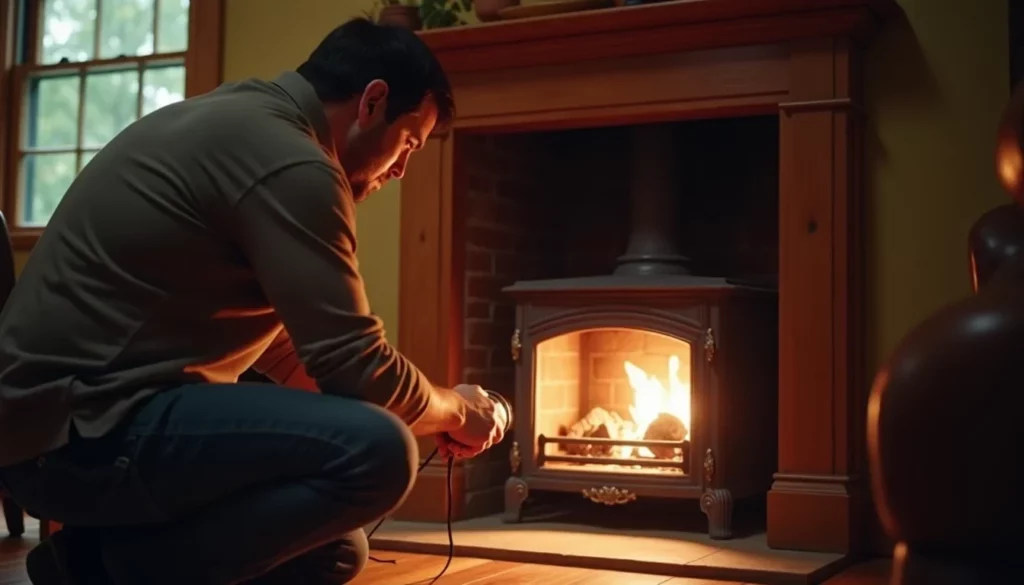
A stuck fireplace damper is more than an inconvenience; it can lead to dangerous smoke buildup or significant heat loss.
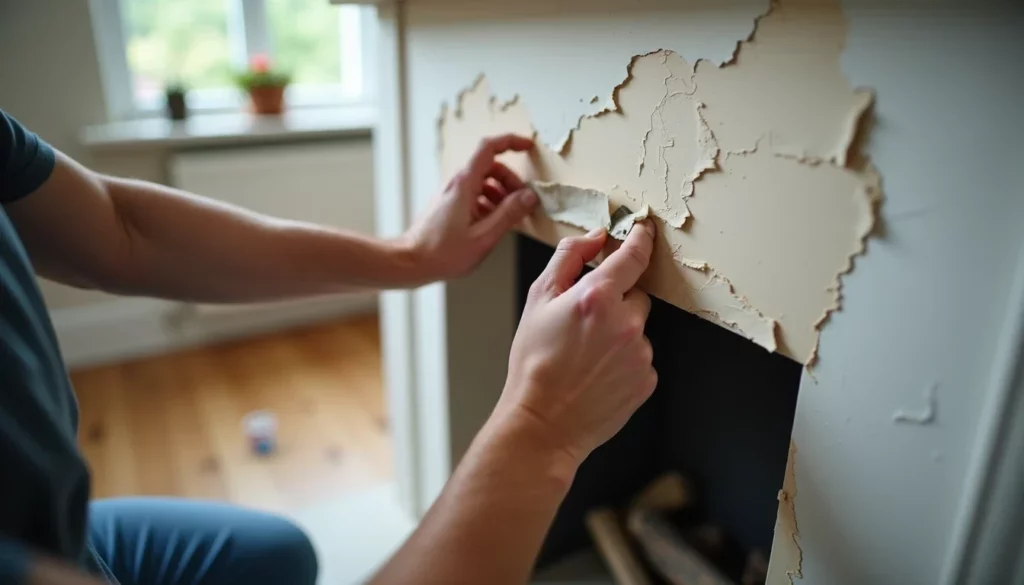
Don’t just repaint a damp chimney breast; understand the underlying cause of white stains, brown leaks, and peeling paint to avoid trapping moisture and.
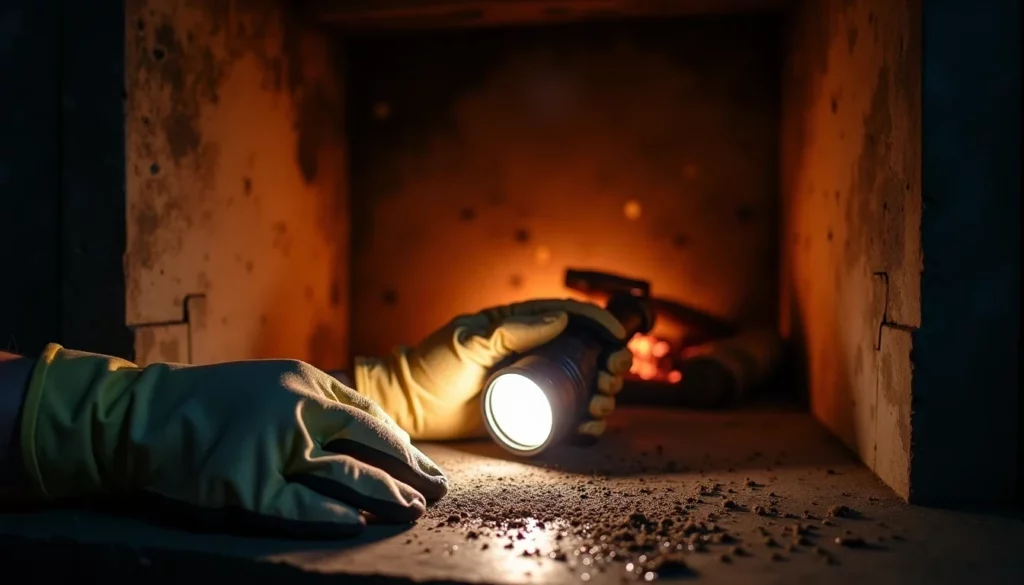
Rainwater in your chimney is never random; it reveals its source. Understand how to trace the water’s trail to pinpoint exact entry points, from damaged.
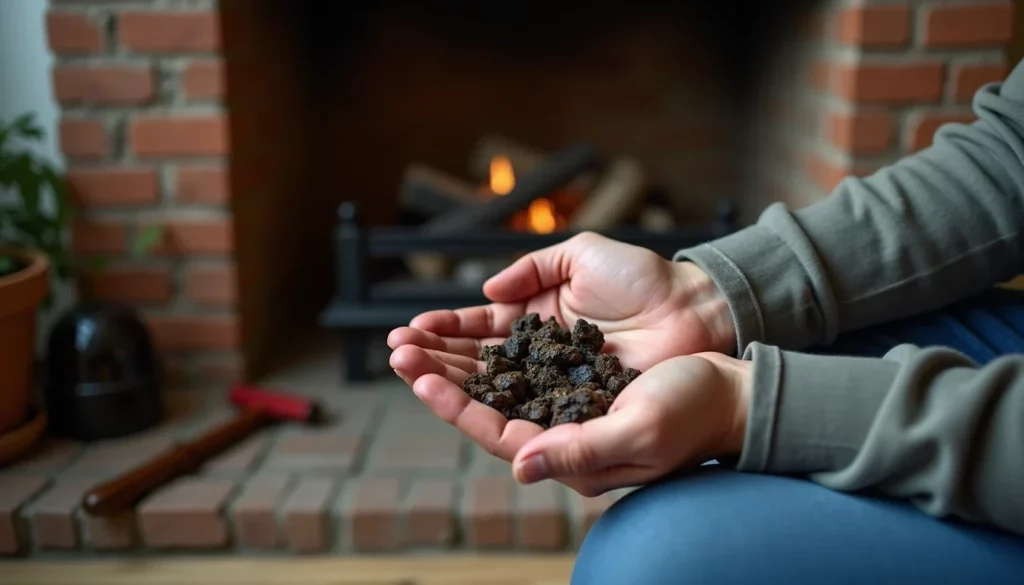
When soot or debris consistently falls from your chimney, especially after strong winds, it signals a serious problem that needs professional inspection beyond.
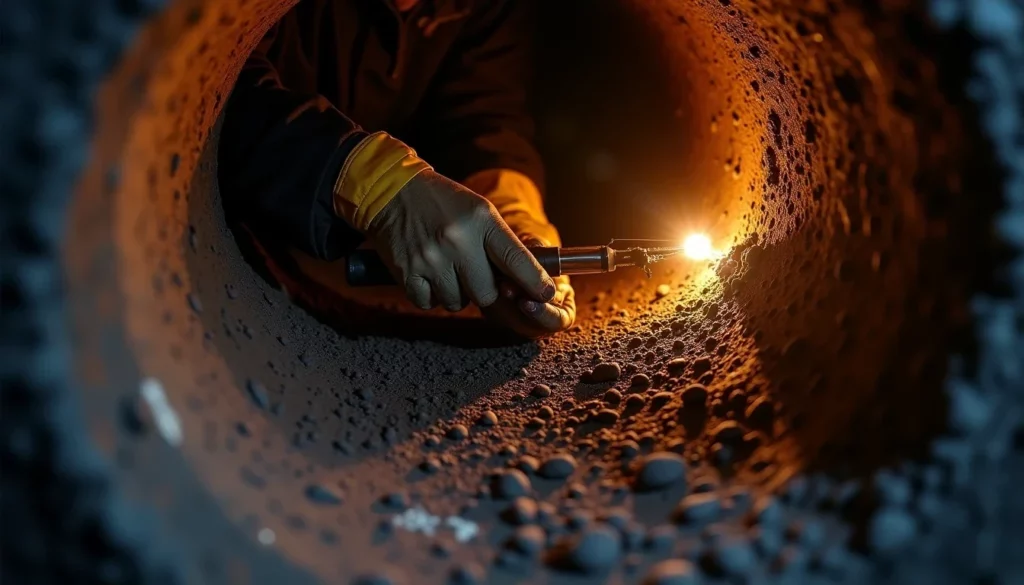
Shiny black tar in your chimney is dangerous creosote, not normal soot. This hard, condensed fuel residue forms from cool flue gases and wet logs, posing a.
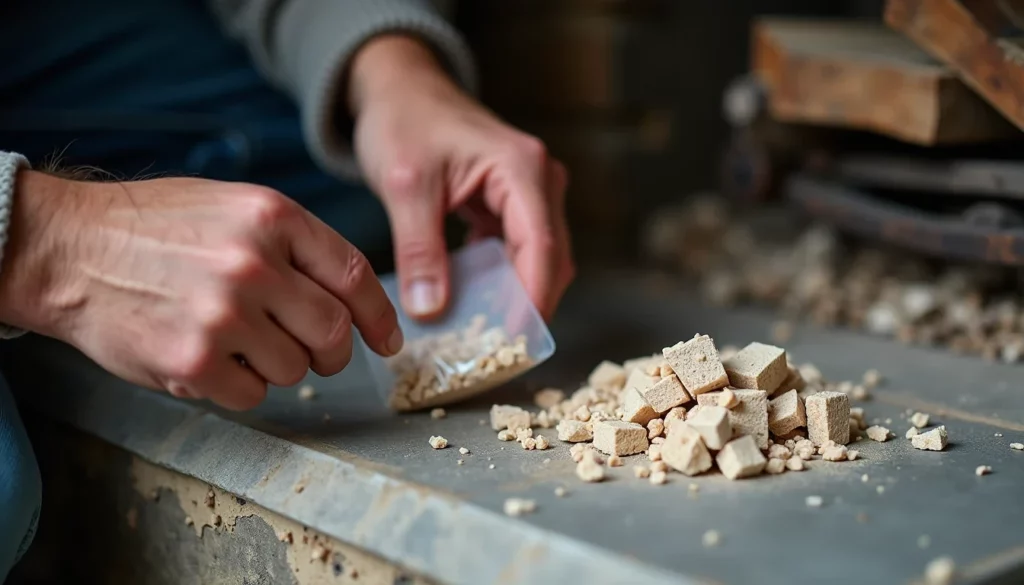
Bits of leaves, grit, or flakes in your fireplace are key indicators of a chimney fault.
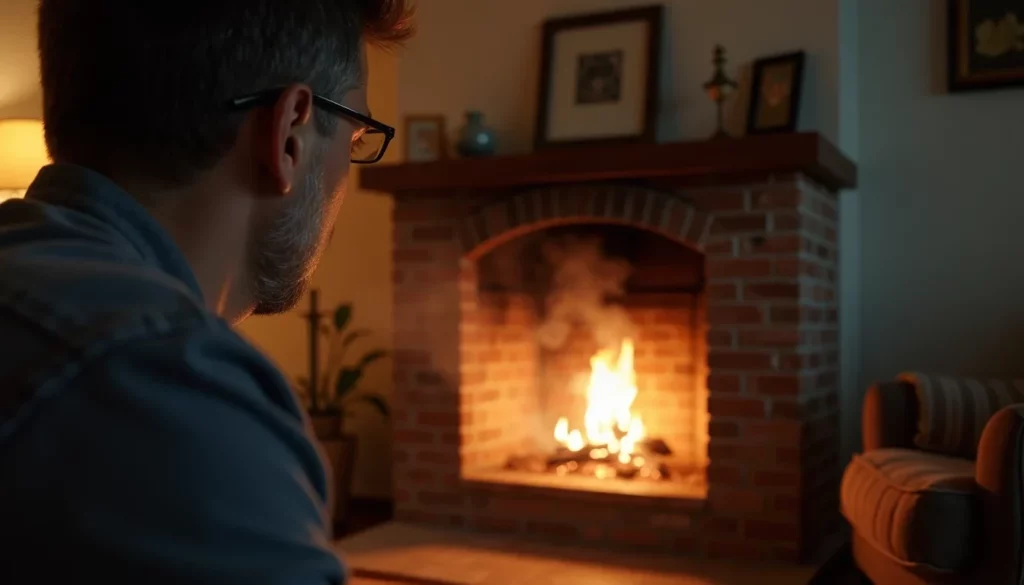
A struggling fireplace signals a serious flue issue, not just temperament. Understand why your chimney isn’t drawing air properly and the underlying causes.
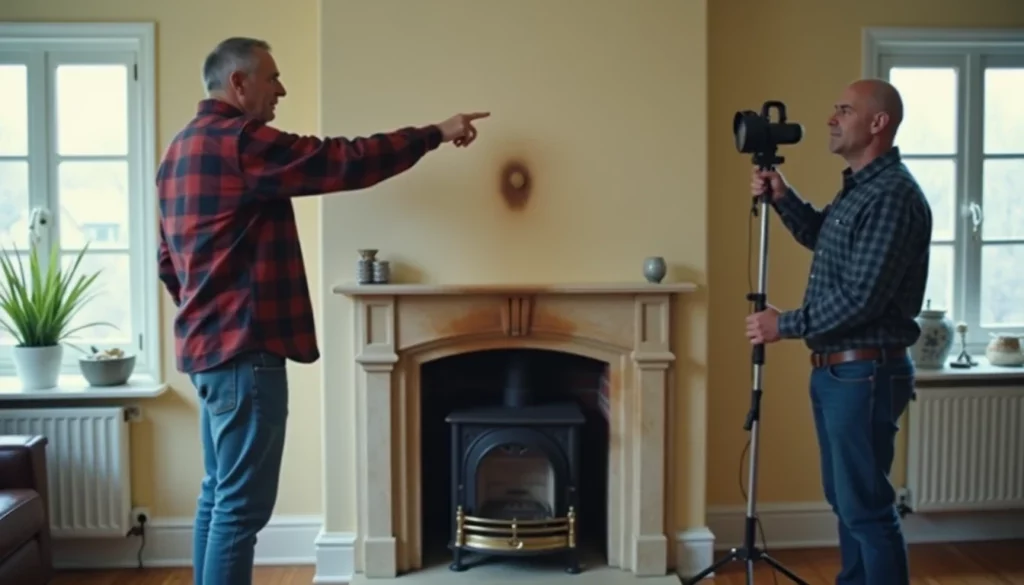
A smoke smell or soot mark in your bedroom, far from the fireplace, signals hidden chimney faults like flue damage or structural gaps.